
Electric Guitar Fret & Nut Maintenance Guide
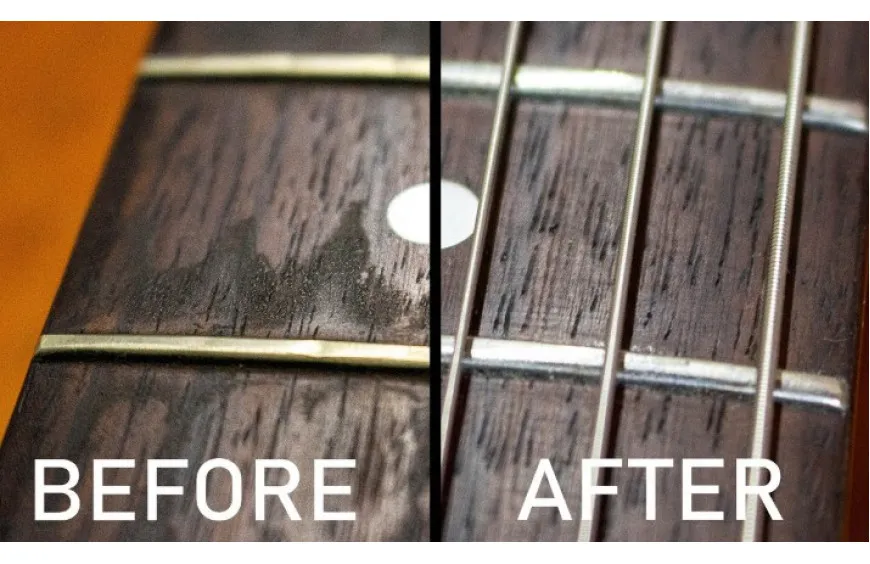
✏️ Advanced Electric Guitar Maintenance: Fret and Nut Replacement Guide
Every guitar eventually needs more than just a string change
or cleaning. If you're experiencing buzzing, sharp fret edges, or intonation
issues, it's time to address fret and nut maintenance.
In this guide, you’ll learn:
How can you tell if frets need servicing or replacement?
-
How is fret leveling and fret-edge dressing done?
-
What fret thicknesses and materials are available?
-
How is fret replacement carried out, and what tools are needed?
-
How can you recognize when your nut needs replacing?
-
What nut shapes are available?
-
How to replace a guitar nut step by step?
➡️ Explore all tools and
accessories in our Guitar Maintenance Tools section – shop.sollerguitars.com
⭐ How to Know When Your Frets Need Service or
Replacement
Signs your frets may need maintenance:
- Strings
buzz at certain frets
- Intonation
is off, notes sound sharp or flat
- Sharp
fret ends or notches felt when sliding
- Visible
dents, grooves, or uneven surfaces
Recommended actions:
- Fret
leveling – for minor wear
- Edge
dressing and polishing – to restore rounded crowns
- Complete
refret – if frets are deeply worn or uneven
➡️ See our full selection of guitar
and bass frets – shop.sollerguitars.com
⭐ Fret Leveling and Edge Shaping
⚙️ 1. Fret Leveling- All frets are leveled to a uniform height using leveling files or sanding beams. This removes micro irregularities and prevents string buzz. Before leveling, ensure correct neck relief.
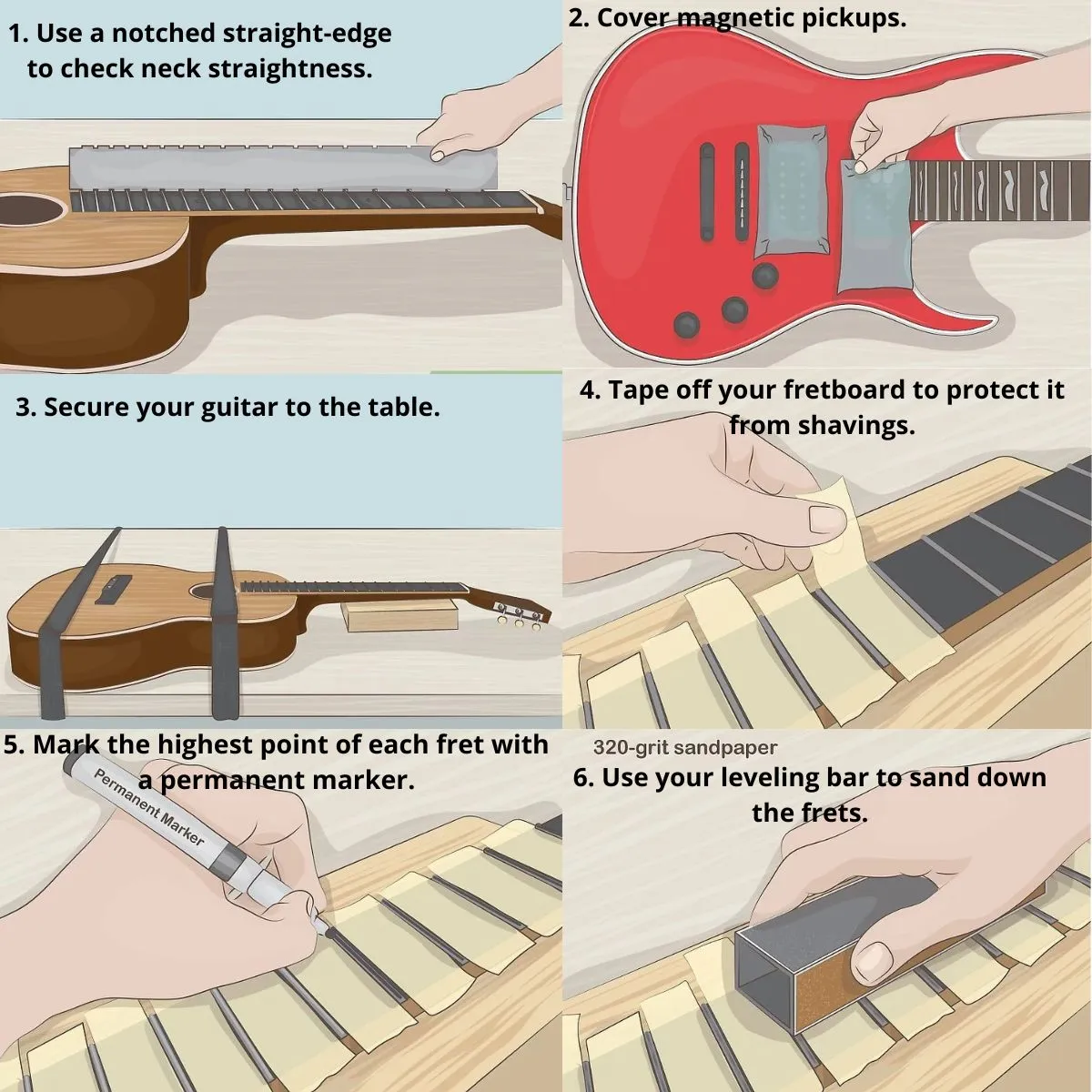
⚙️ 2. Crowning the Frets Leveling creates flat fret tops, so they must be re-rounded using a fret crowning file to ensure accurate intonation and comfortable playability.

⚙️ 3. Fret Polishing After crowning, frets are polished with fine sandpaper and compound for a smooth, silky feel under your fingers.

➡️ All essential tools are in our
Guitar Repair Tools category – shop.sollerguitars.com
Fret Materials and Options
Nickel Silver – The most common fret wire; natural
feel and medium durability. Used in most Fender and Gibson guitars.
Stainless Steel – Extremely durable and
bright-sounding; excellent for frequent string bending.
Evo Gold – Unique golden color, excellent hardness.
Balanced between nickel and stainless steel in feel and tone.
➡️ Shop our full range of frets
for guitars and basses – shop.sollerguitars.com
♫ How to Replace Frets –
Step-by-Step
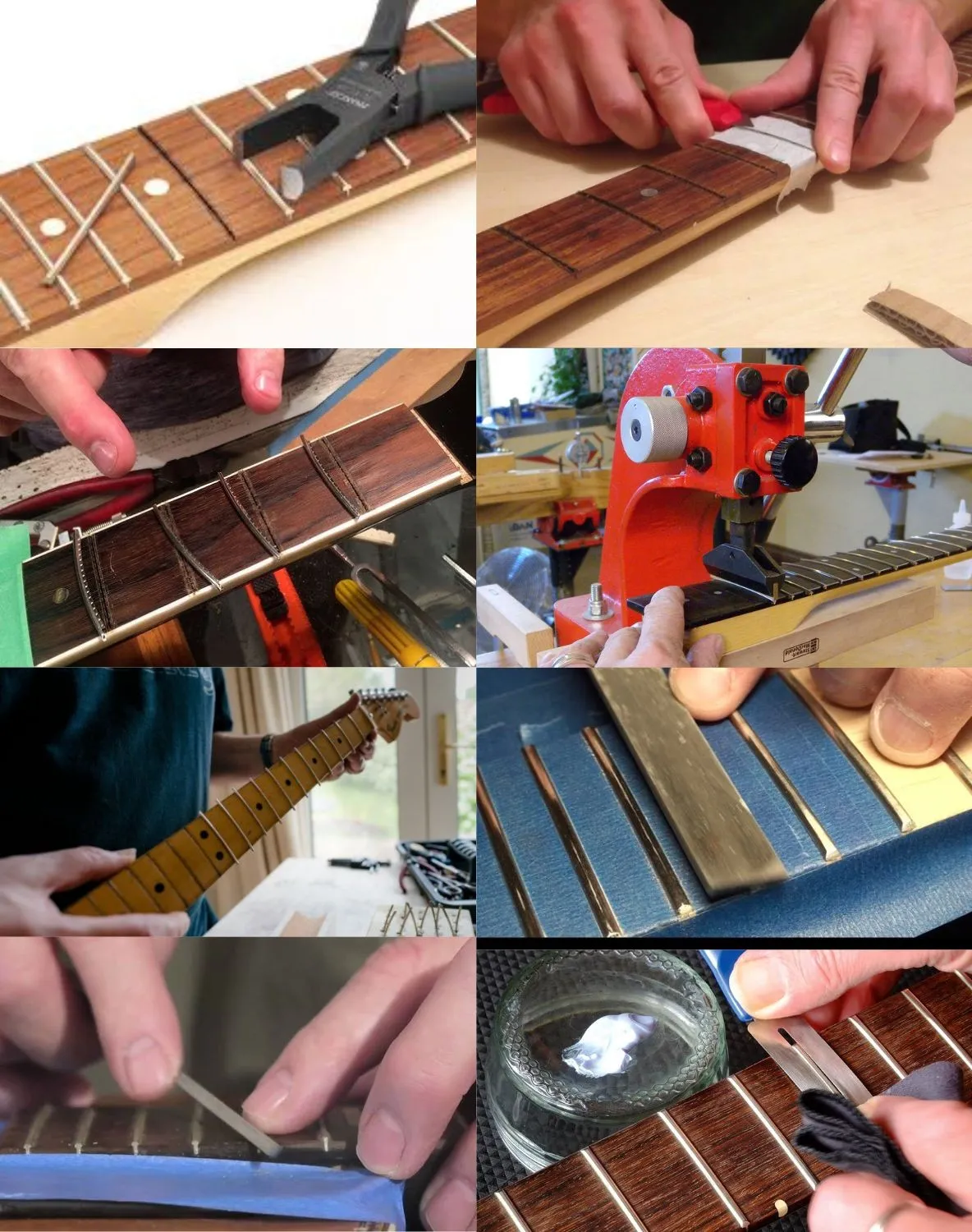
- Carefully
remove old frets with fret pullers and protect the fingerboard
- Clean
and level the fret slots
- Prepare
new frets – trim the tangs and match fingerboard radius
- Install
frets using a hammer or press
- Trim
fret ends
- Level,
crown, round, and polish as needed
➡️ Find everything you need in our Fretwork Tool Section – shop.sollerguitars.com
When Does a Nut Need Replacement?
Typical signs:
- Strings
buzz when played open
- String
height at the nut is too high or low
- Grooves
are too deep or irregular
If the nut causes tuning or action issues, it’s time to
replace it.
♫ Nut Replacement: Step-by-Step
- Gently
tap and remove the old nut
- Clean
out the nut slot
- Shape
and fit the new nut to the slot and fingerboard radius
- Glue
it in place with a small amount of adhesive
- Adjust string slots to ideal depth and spacing

➡️ Explore our Nut Files,
Blanks, and Tools – shop.sollerguitars.com
➕ Conclusion: Pro-Level Setup = Perfect Tone & Feel
Advanced fret and nut servicing is a key step toward
achieving perfect intonation, clean action, and responsive playability. A
professional setup transforms your instrument’s feel and tone, giving you
confidence on stage or in the studio.
➡️ Discover all guitar servicing
supplies in our shop – shop.sollerguitars.com